People with intellectual disabilities are systematically denied the right to a fulfilling intimate life. Without accessible education, they are at risk of isolation and violence. A pervasive taboo among caregivers leads to restriction rather than support. Involving people with intellectual disabilities, their families, and professionals simultaneously ensures alignment and transforms social services into spaces that respect self-determination.
Open Path
Project owner: Freya, z. s.
Responsible person: Kamila Šimková
2026
2,000 Euro Prize
CS
Civil Society / Social Economy
Diversity
Education
Social welfare, health care
Challenge
Idea
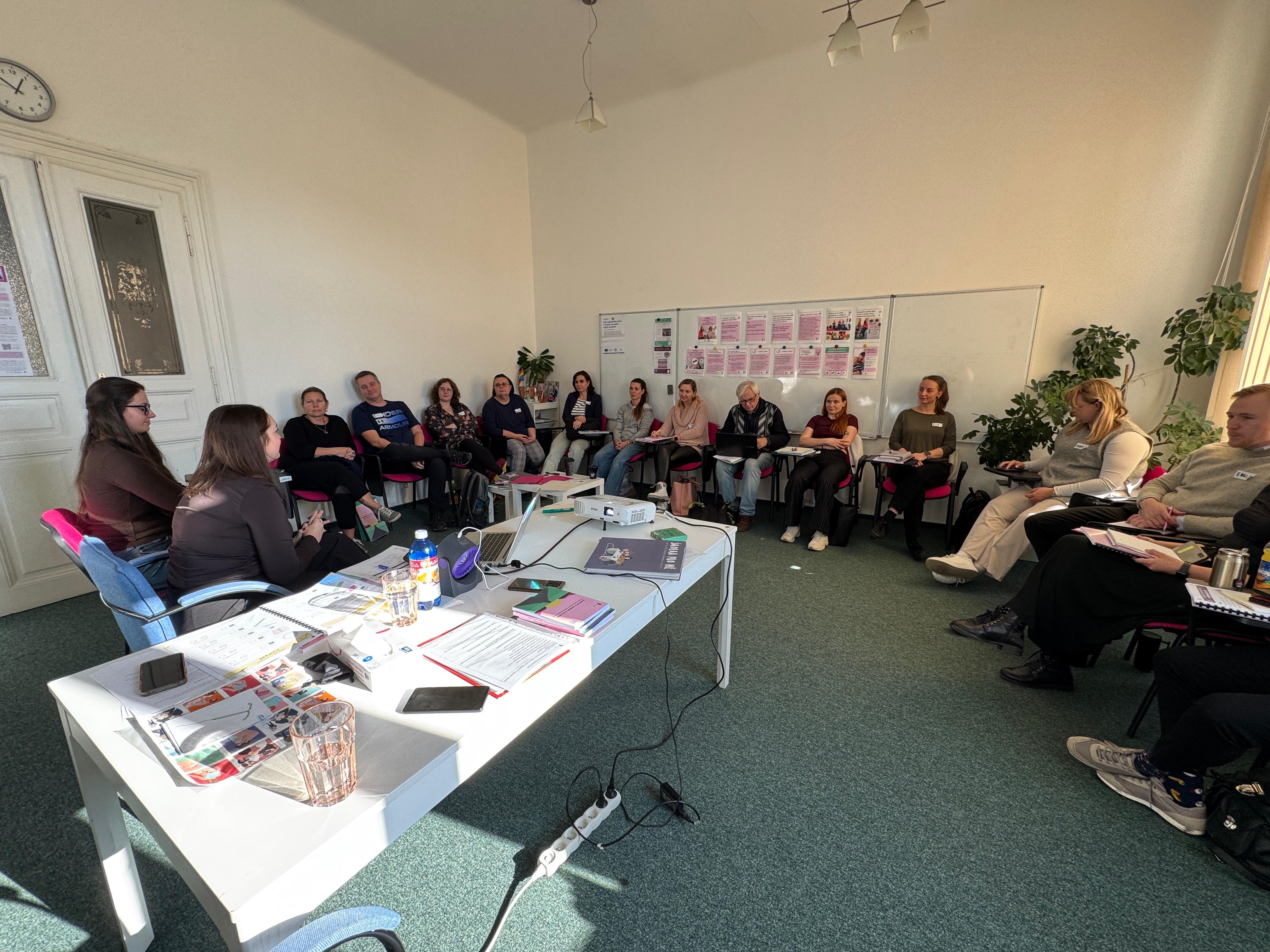
Three pillars drive the model: group sessions covering consent, boundaries and emotions; parental groups building caregiver confidence; and methodology transfer enabling staff to implement the programme independently. By shifting attitudes across the entire ecosystem simultaneously, the model initiates systemic change. It is fully field-tested and ready for replication.
Actors
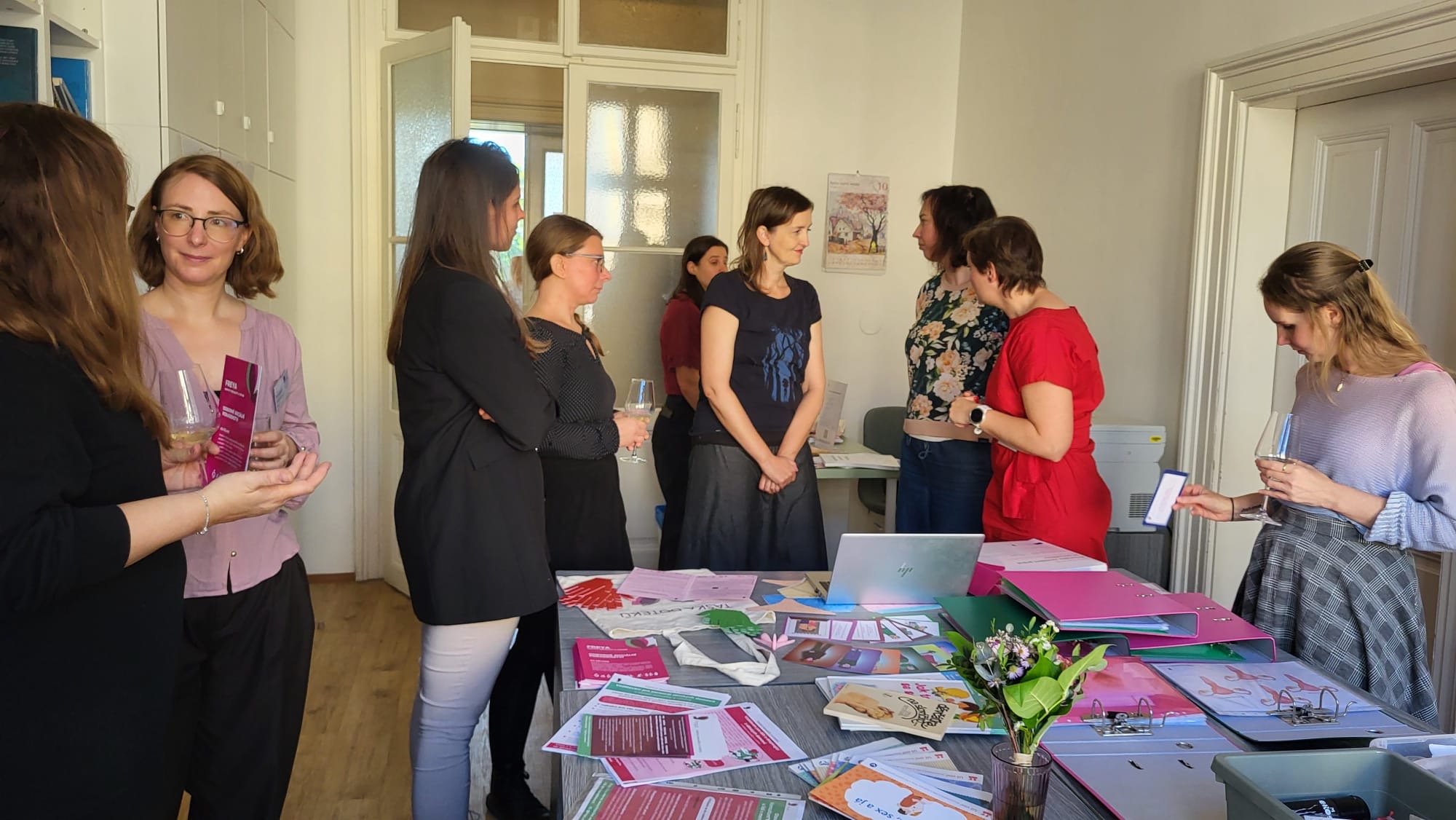
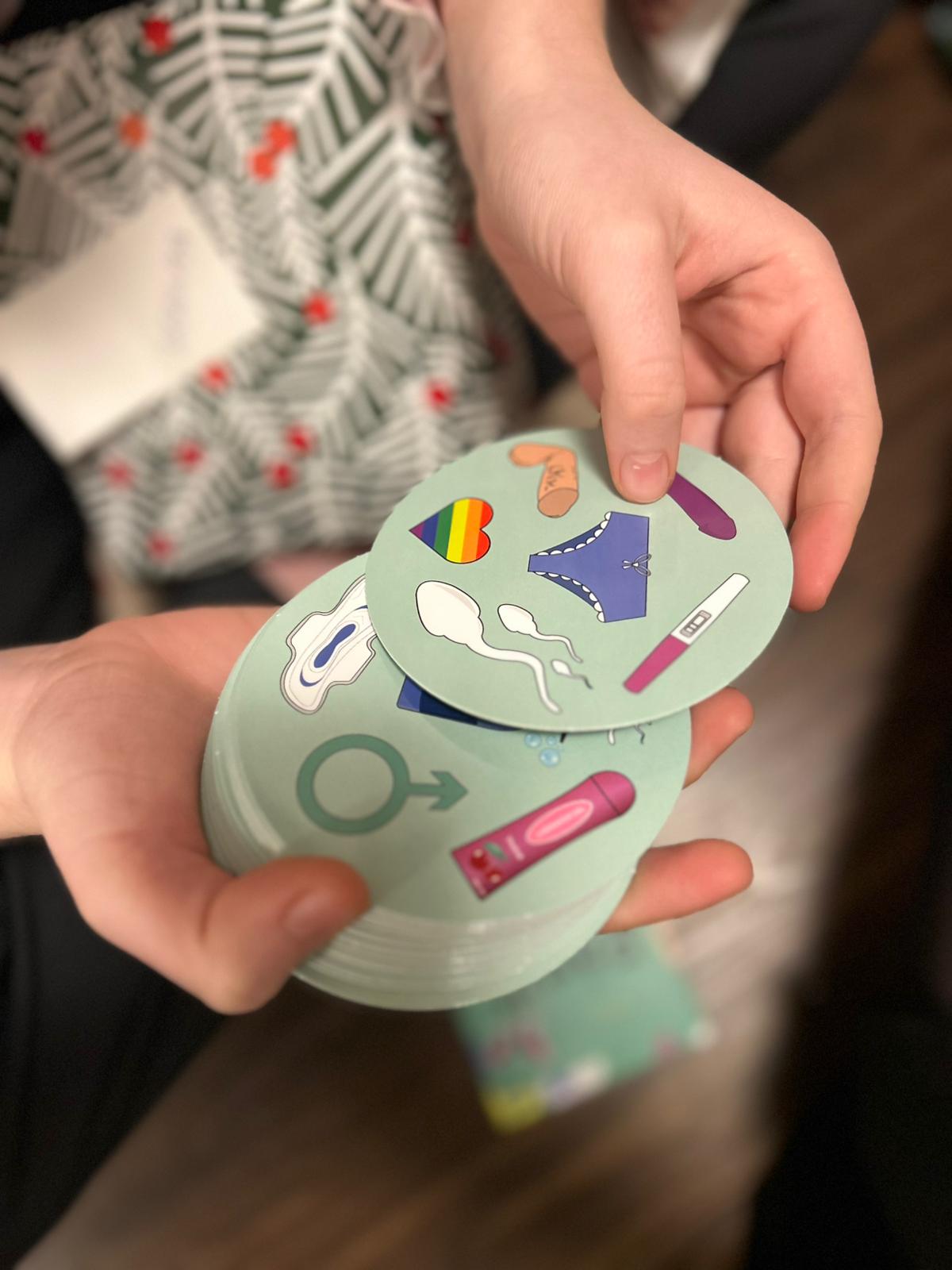
Freya's expert team is leading the implementation process, with two counsellors heading up the development of the methodology and the workshops. A graphic designer with a background in social counselling ensures that the tools are accessible to people with intellectual disabilities. Accredited courses transfer know-how to front-line workers, who then implement the programme independently within their own organisations.
Impact
Pre- and post-tests show an average increase in knowledge of 40%, with interviews confirming shifts in attitudes towards personal boundaries. The project challenges stigma and establishes sexuality as a legitimate topic in social services. The accredited methodology shifts practice from restrictive to supportive, and demand from other organisations serves as a further indicator of success.
Transfer
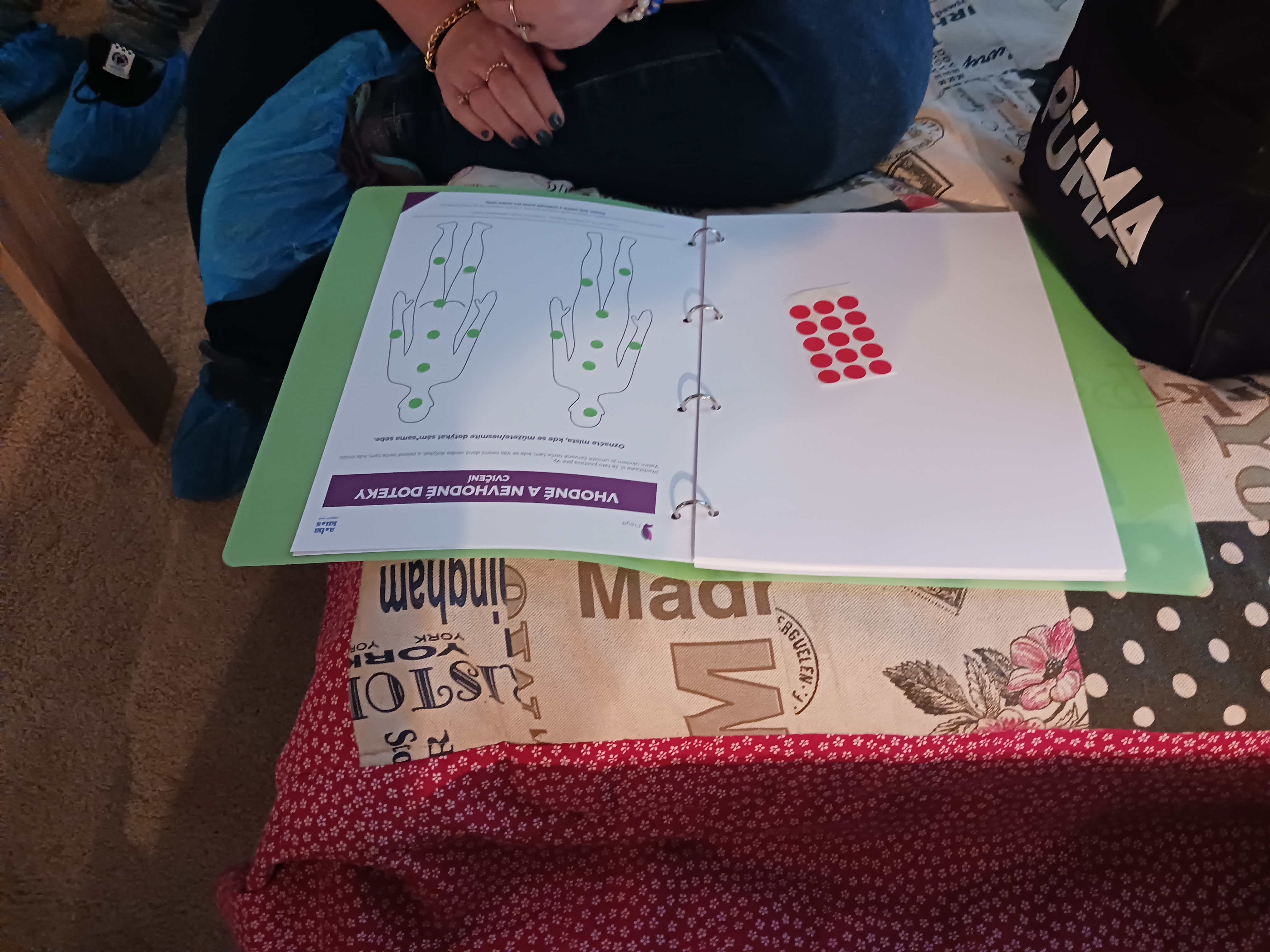
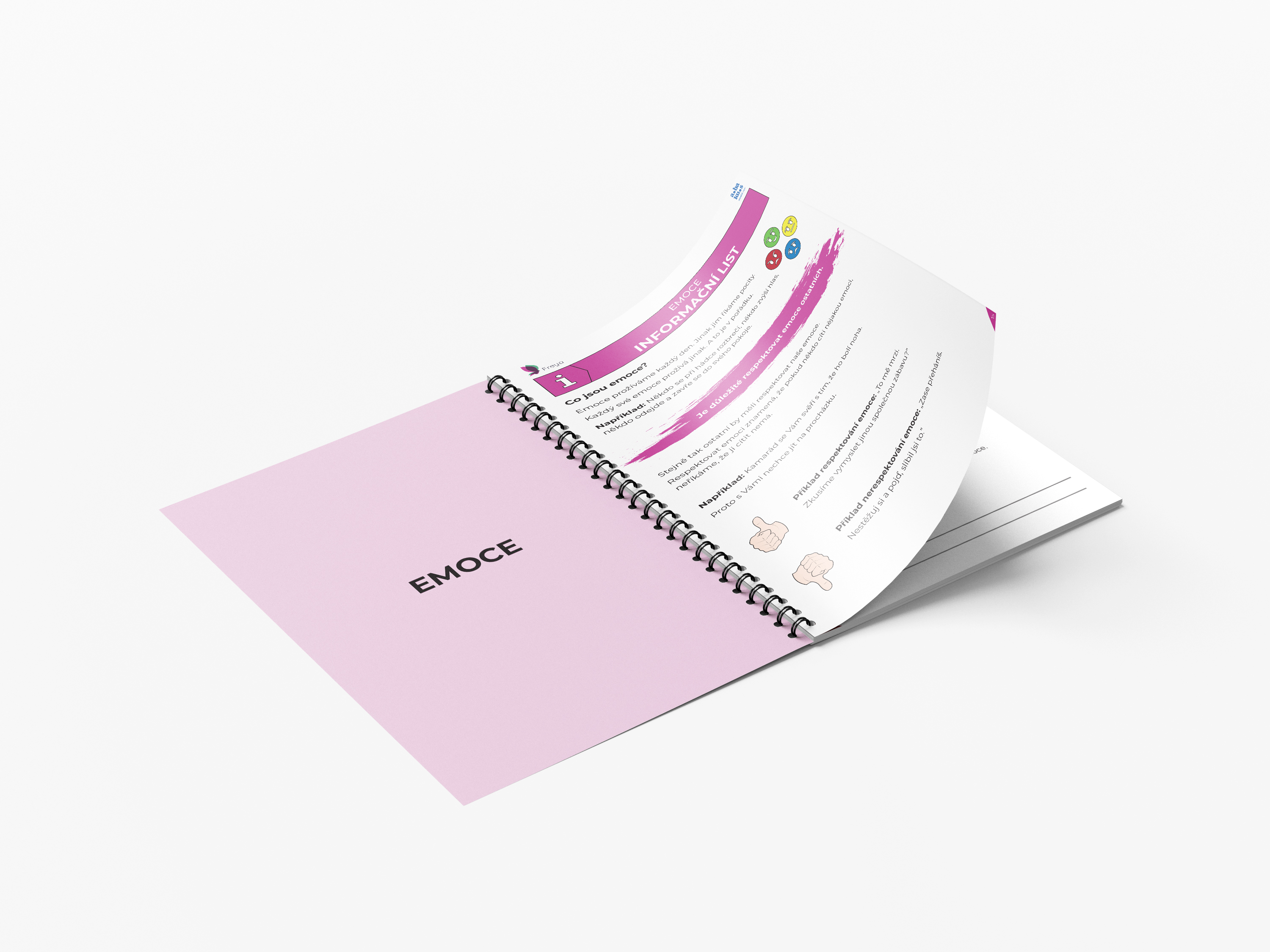
A Group Work Guide and accompanying worksheets allow for independent implementation. Although developed for people with intellectual disabilities, the principles also apply to children in foster care and inclusive schools. The successful adaptation for deaf people confirms the model's flexibility. The modular, culturally adjustable model works across regions, target groups and national borders.