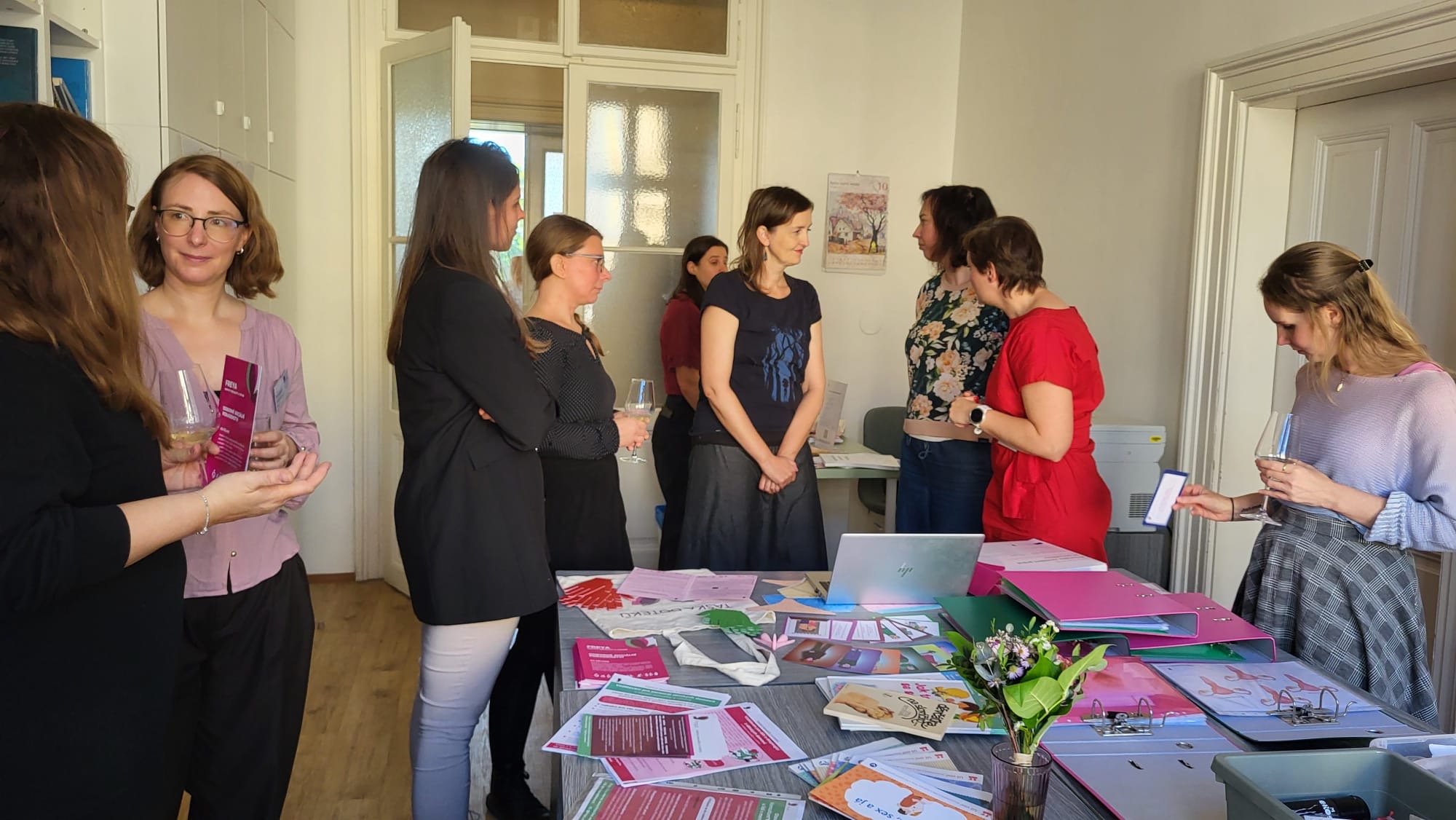
Osebam z motnjami v duševnem razvoju je sistematično kratena pravica do izpolnjujočega intimnega življenja. Brez dostopnega izobraževanja so izpostavljene tveganju izolacije in nasilja. Med oskrbovalci in strokovnimi delavci vlada močan tabu, ki vodi v omejevanje namesto v podporo. Vključevanje oseb z motnjami v duševnem razvoju, njihovih družin in strokovnjakov pomaga uskladiti pristope ter spreminja socialne storitve v okolja, ki spoštujejo samoodločanje.
Open Path
Lastnik projekta: Freya, z. s.
Odgovorna oseba: Kamila Šimková
2026
2.000 evrov nagrade
CS
Civilna družba / Socialno gospodarstvo
Raznolikost
Izobraževanje
Socialno ali zdravstveno varstvo
Izziv
Ideja
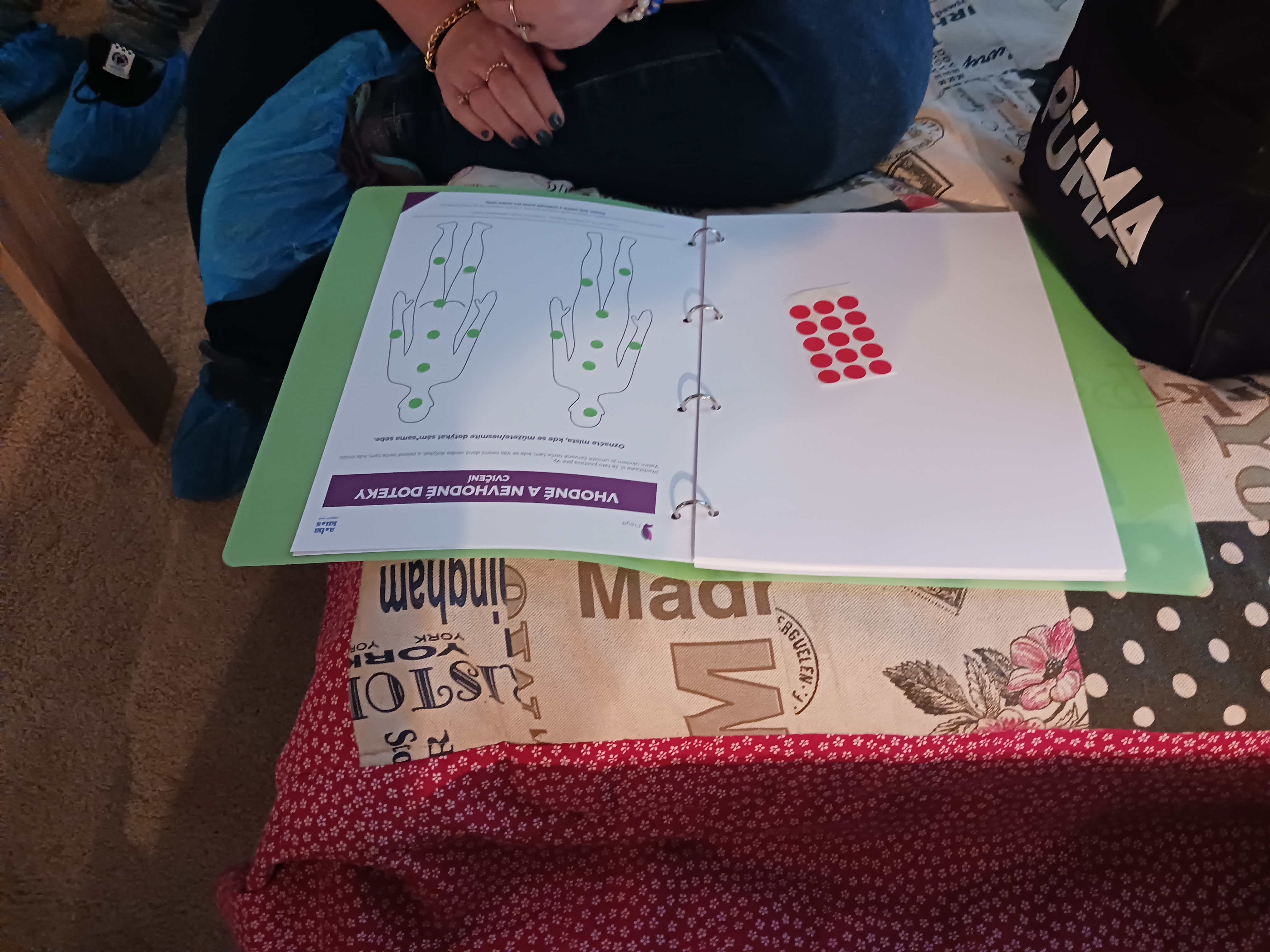
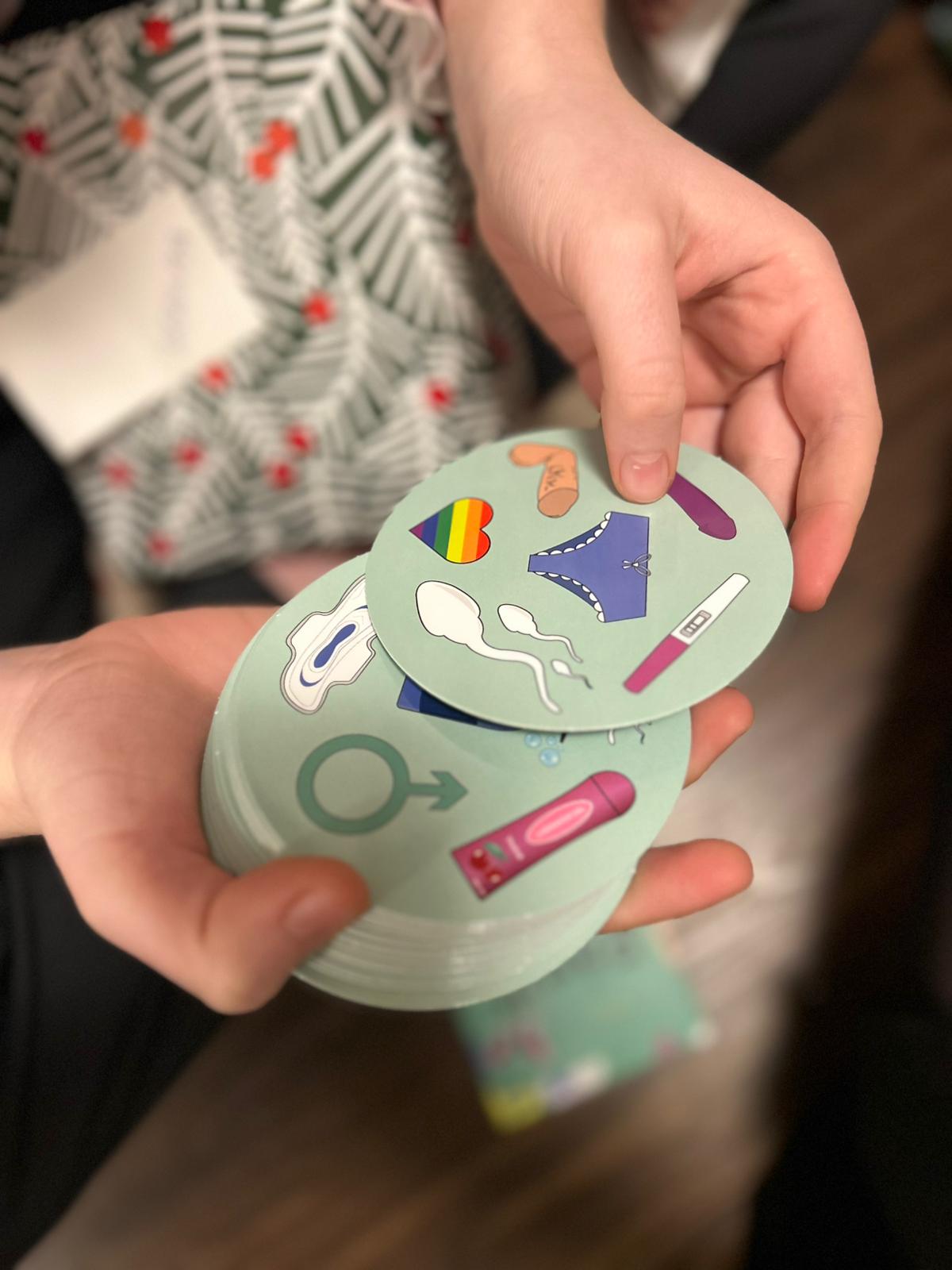
Model poganjajo trije stebri: skupinska srečanja, ki pokrivajo privolitev, meje in čustva; skupine za starše, ki krepijo njihovo samozavest pri oskrbi; ter prenos metodologije, ki osebju omogoča neodvisno izvajanje programa. S hkratnim spreminjanjem odnosov v celotnem ekosistemu model sproža sistemske spremembe. Je v celoti preizkušen v praksi in pripravljen na prenos v druga okolja.
Deležniki pri projektu
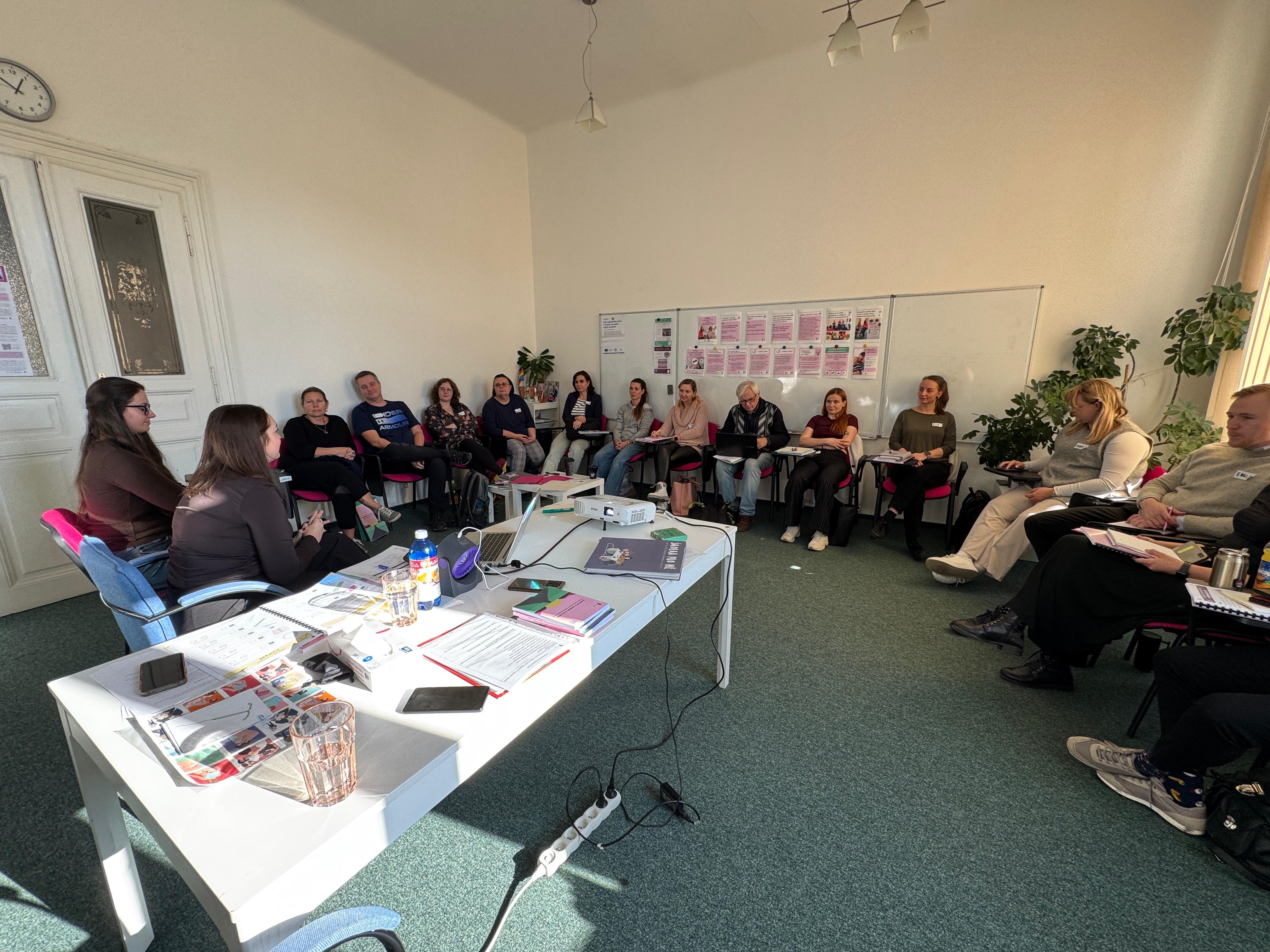
Strokovna ekipa organizacije Freya vodi proces izvedbe, pri čemer dva svetovalca usmerjata razvoj metodologije in delavnic. Grafični oblikovalec z izkušnjami s področja socialnega svetovanja skrbi, da so orodja dostopna osebam z motnjami v duševnem razvoju. Akreditirani tečaji prenašajo znanje na terenske delavce, ki nato program izvajajo neodvisno znotraj svojih organizacij.
Vpliv
Testi kažejo povprečno 40-odstotno povečanje znanja, intervjuji pa potrjujejo spremembe v odnosih do osebnih meja. Projekt izziva stigmo in vzpostavlja spolnost kot legitimno temo v socialnih storitvah. Akreditirana metodologija spreminja prakso z omejevalnega na podporni pristop, zanimanje drugih organizacij pa je dodaten pokazatelj uspeha.
Prenos
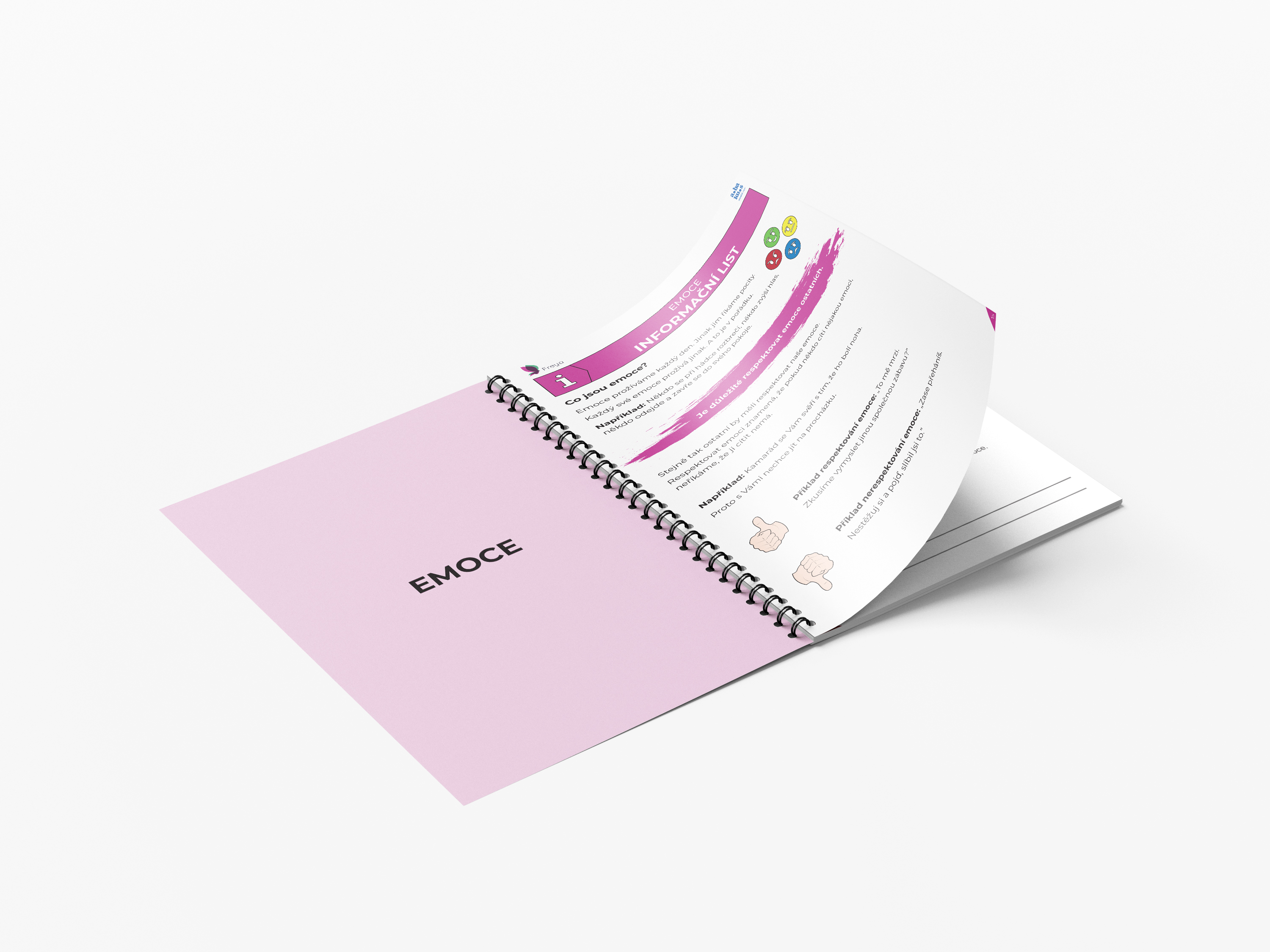
Priročnik za skupinsko delo in spremni delovni listi omogočajo samostojno izvedbo. Čeprav so bila načela razvita za osebe z motnjami v duševnem razvoju, veljajo tudi za otroke v rejništvu in inkluzivnih šolah. Uspešna prilagoditev za gluhe osebe potrjuje prilagodljivost modela. Modularni, kulturno prilagodljivi model deluje v različnih regijah, ciljnih skupinah in zunaj nacionalnih meja.