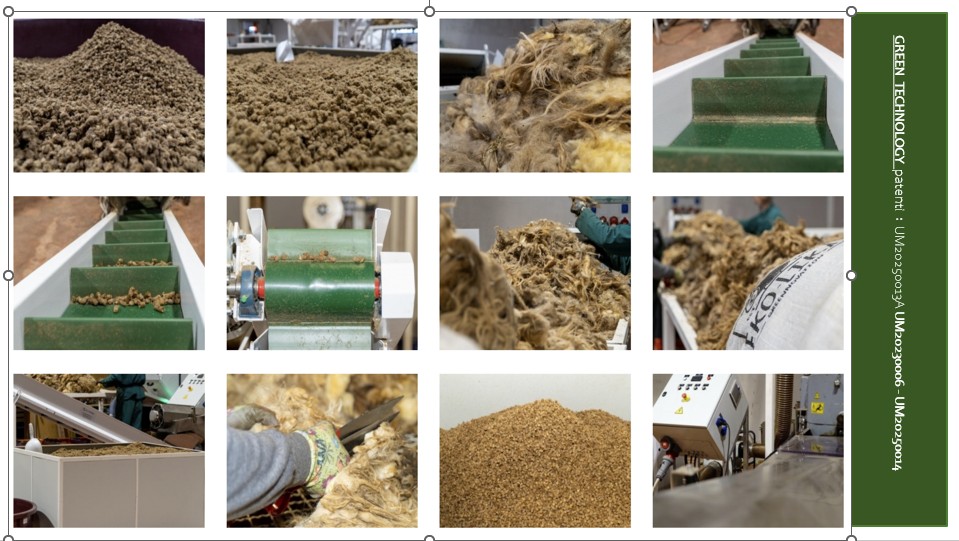
Large quantities of raw sheep's wool are discarded across Croatia, causing significant environmental pollution of the soil, water and air, and placing an economic burden on farmers. In Lika alone, 200–300 tonnes are discarded annually, reaching 1,300 tonnes nationwide. The over-reliance of agriculture on chemical fertilisers exacerbates the problem, damaging ecosystems and threatening human health.
Eko Lika GREENNovation
Project owner: EKOLIKA GREENOVATION d.o.o. (Dragica Jerkov)
Responsible person: Dragica Jerkov
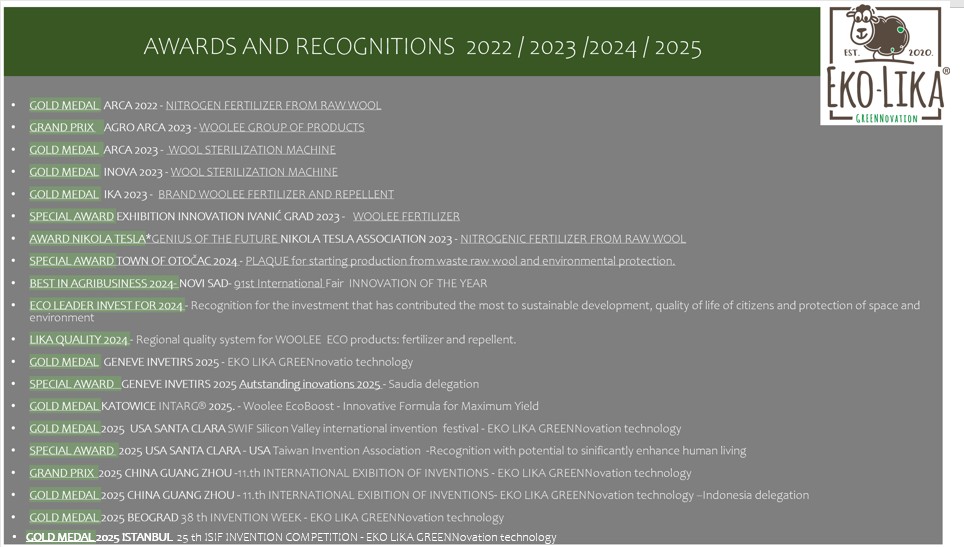
2026
2,000 Euro Prize
HR
Commercial enterprise
Environment
Local Development
Challenge
Idea
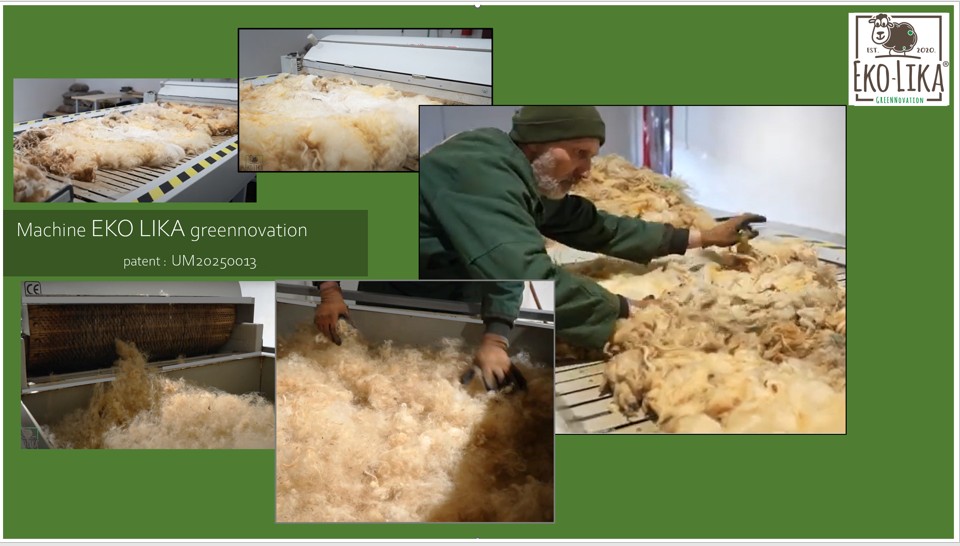
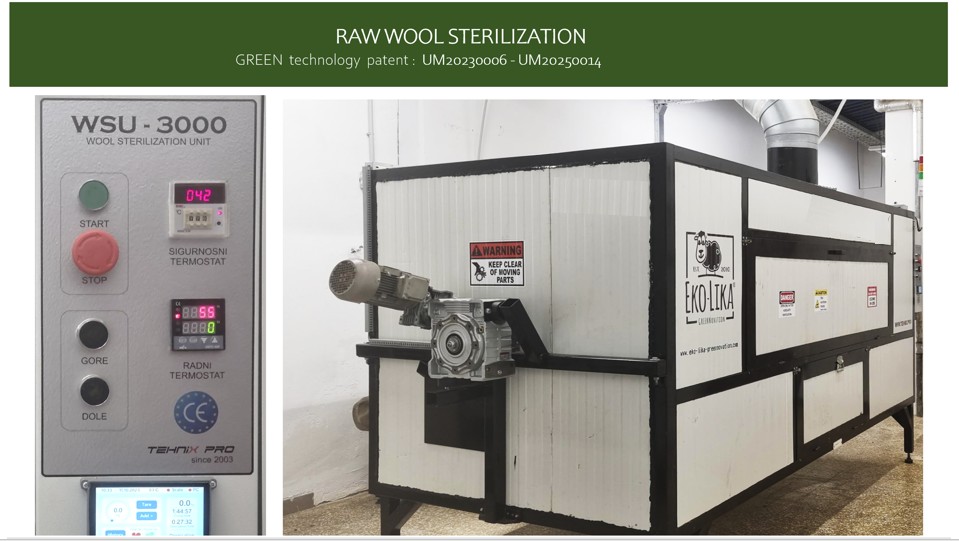
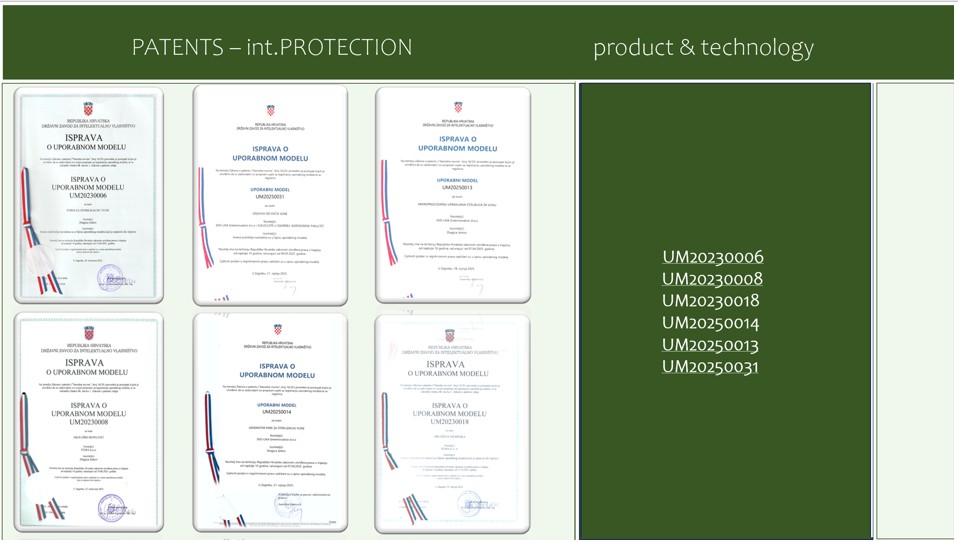
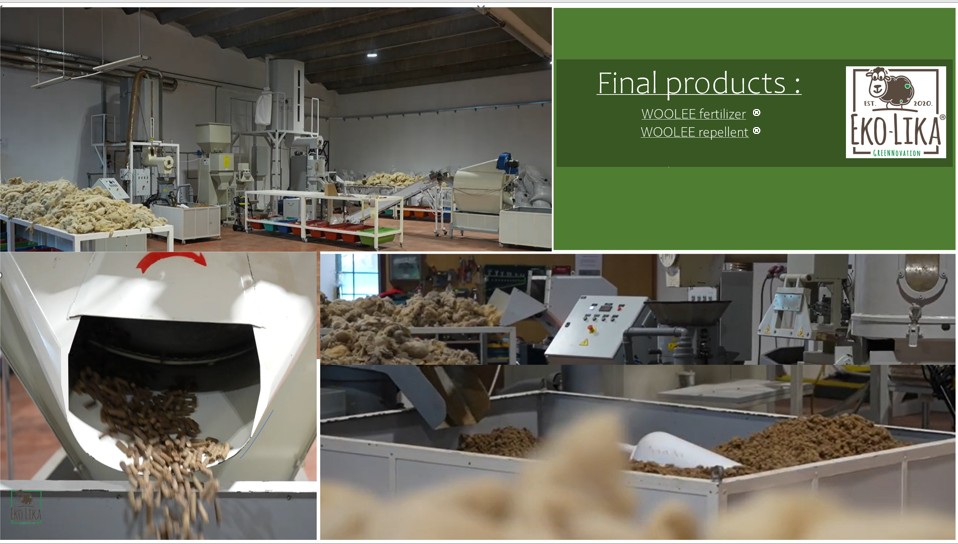
An innovative, patented process transforms discarded raw sheep's wool into eco-friendly fertilisers and repellents. Since wool is 50% carbon by weight, burying the fertiliser locks CO₂ into the soil as a nutrient, rather than releasing it into the atmosphere. This approach reduces pollution, replaces chemical inputs with natural alternatives and improves soil health, supporting healthier food production in line with the principles of the circular economy.
Actors
The project manager is responsible for operations, reporting and communications, while the company owner provides strategic oversight and drives commercialisation. An accelerator provides business consultancy and innovation support. Local communities participate in wool collection and educational programmes. The scientific community collaborates on technology development, while regional and international partners facilitate networking and the wider adoption of sustainable practices.
Impact
Wool waste is transformed from an environmental liability into a valuable community resource. Soil, water and air contamination are significantly reduced, farmers gain new income streams, green jobs are created, and rural vitality is strengthened. The impact is measured both quantitatively, through the number of tons of wool processed, the adoption of eco-products and the economic benefits to farmers, and qualitatively, through environmental improvement, awareness levels and community well-being.
Transfer
This technological process can be replicated wherever sheep farming generates wool waste. The business model of converting waste streams into sustainable agricultural products can be applied to similar resource challenges in other regions. The educational framework for promoting sustainable practices can be adapted anywhere, and the circular economy approach can be extended beyond wool to other organic waste streams, supporting green entrepreneurship around the world.