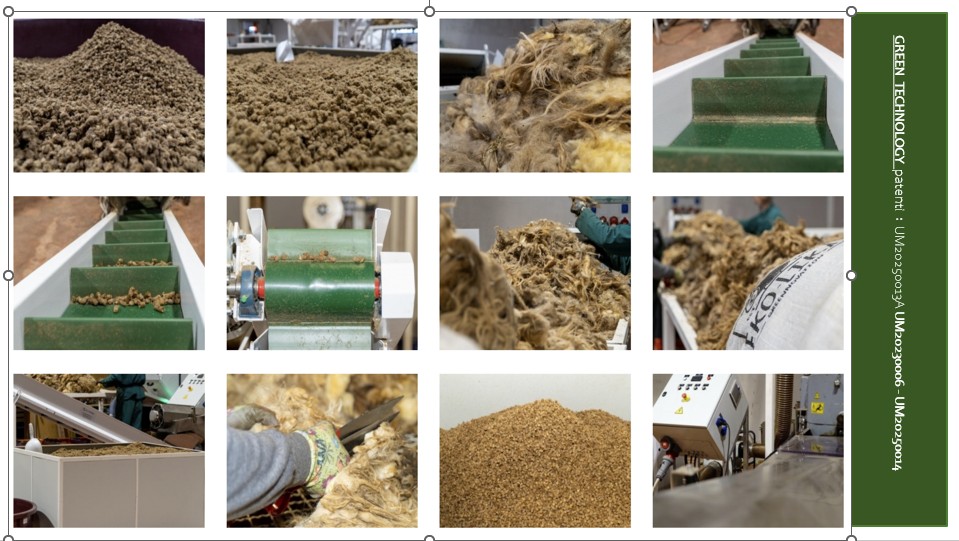
Na Hrvaškem zavržejo velike količine nepredelane ovčje volne, kar povzroča onesnaževanje okolja (tal, vode in zraka) ter predstavlja gospodarsko breme za kmete. Samo v Liki letno zavržejo 200 do 300 ton volne, na ravni celotne države pa ta količina doseže 1300 ton. Prevelika odvisnost kmetijstva od kemičnih gnojil težavo še poslabšuje, saj škoduje ekosistemom in ogroža zdravje ljudi.
Eko Lika GREENNovation
Lastnik projekta: EKOLIKA GREENOVATION d.o.o. (Dragica Jerkov)
Odgovorna oseba: Dragica Jerkov
2026
2.000 evrov nagrade
HR
Komercialno podjetje
Okolje
Lokalni razvoj
Izziv
Ideja
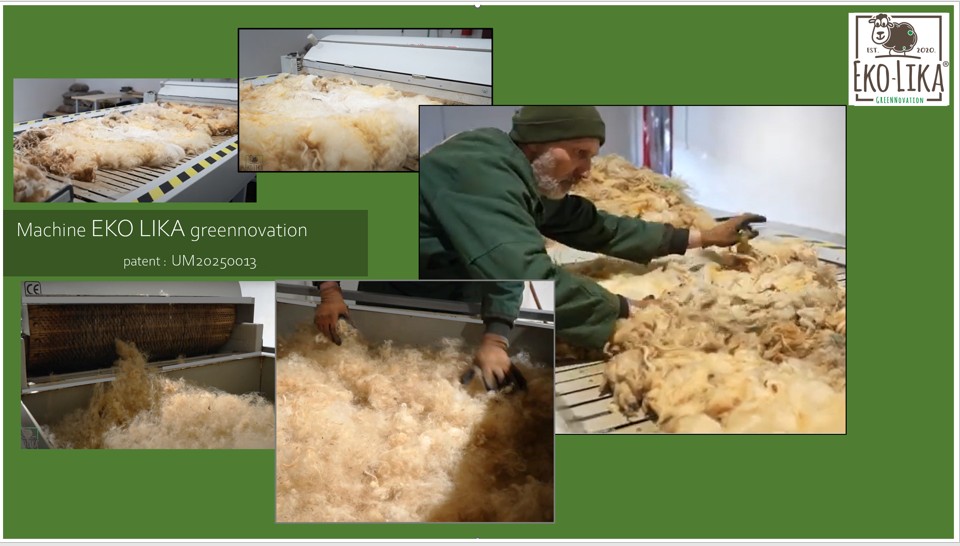
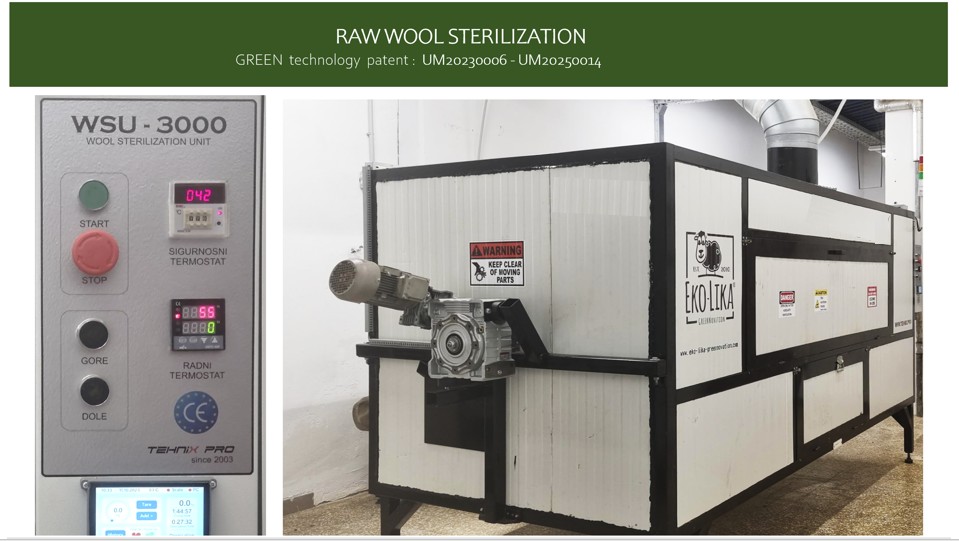
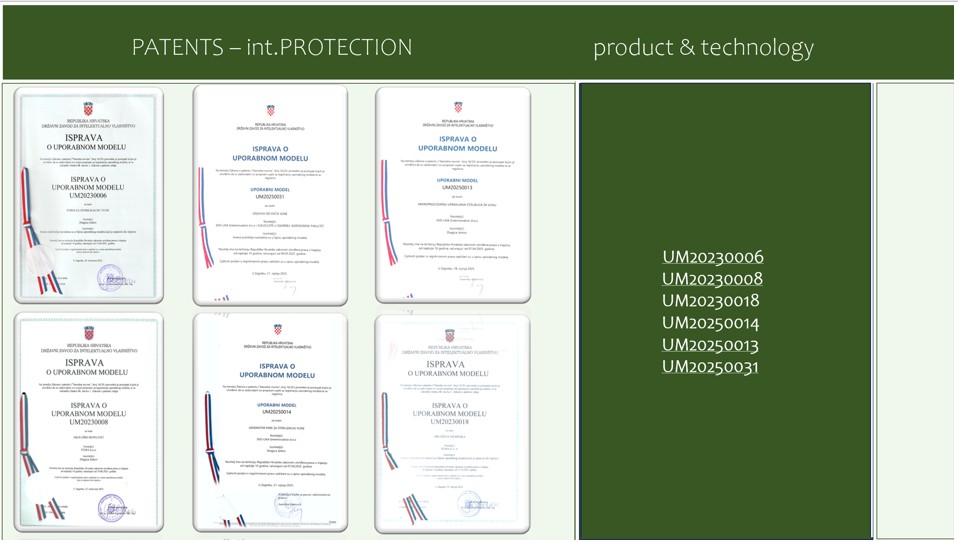
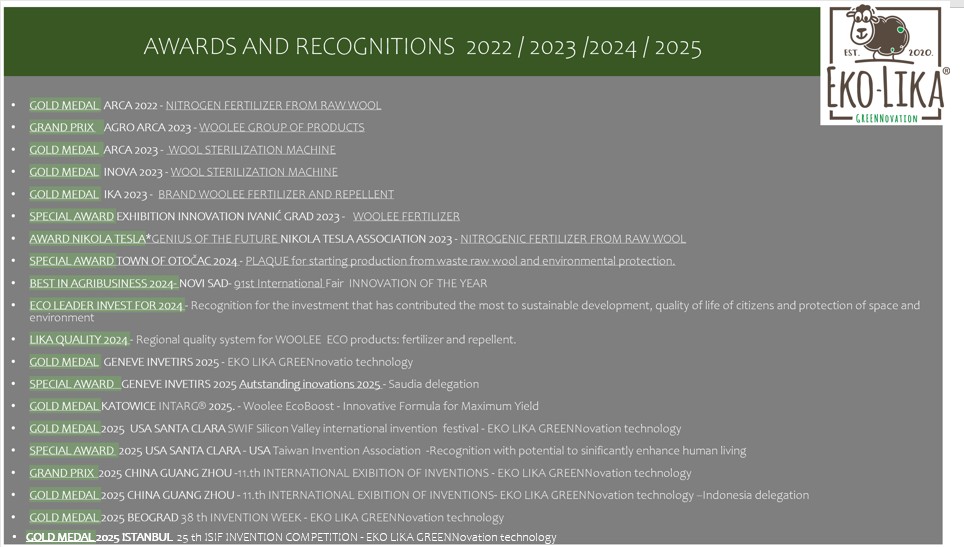
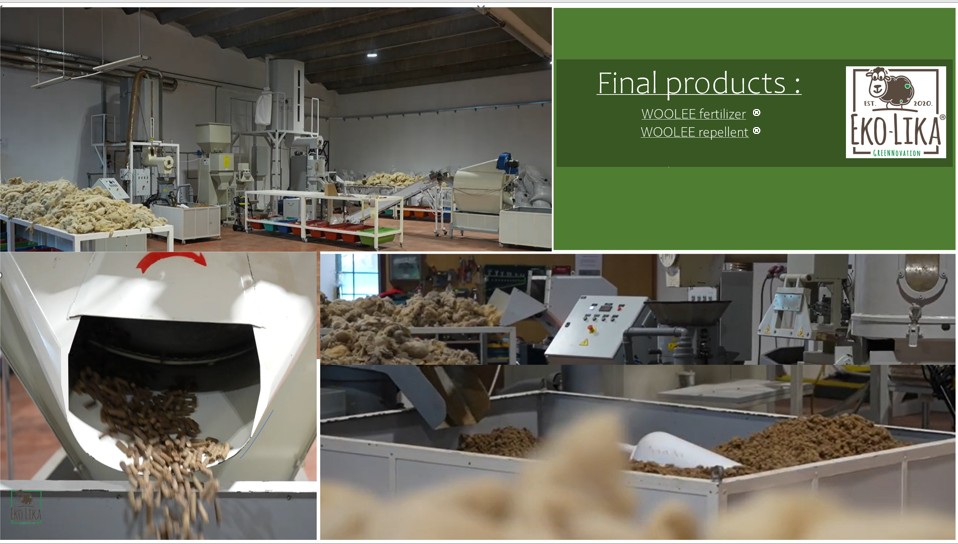
Inovativen, patentiran postopek spreminja zavrženo nepredelano ovčjo volno v okolju prijazna gnojila in repelente. Ker volna po teži vsebuje 50 % ogljika, zakopavanje tega gnojila zaklene CO2 v tla kot hranilo, namesto da bi se sproščal v ozračje. Ta pristop zmanjšuje onesnaževanje, nadomešča kemične vložke z naravnimi alternativami in izboljšuje zdravje tal, kar podpira pridelavo bolj zdrave hrane v skladu z načeli krožnega gospodarstva.
Deležniki pri projektu
Vodja projekta je odgovoren za operativno delovanje, poročanje in komuniciranje, medtem ko lastnik podjetja zagotavlja strateški nadzor in vodi prodajo. Pospeševalnik nudi poslovno svetovanje in podporo pri inovacijah. Lokalne skupnosti sodelujejo pri zbiranju volne in izobraževalnih programih. Znanstvena skupnost sodeluje pri razvoju tehnologije, medtem ko regionalni in mednarodni partnerji omogočajo mreženje ter širšo uporabo trajnostnih praks.
Vpliv
Odpadna volna se iz okoljskega bremena spremeni v dragocen vir za skupnost. Onesnaženost tal, vode in zraka se znatno zmanjša, kmetje pridobijo nove vire prihodkov, ustvarjajo se zelena delovna mesta, vitalnost podeželja pa se krepko izboljša. Vpliv se meri tako kvantitativno – s številom predelanih ton volne, uporabo eko-proizvodov in gospodarskimi koristmi za kmete – kot tudi kvalitativno, s pomočjo izboljšanja okolja, ravni osveščenosti in blaginje skupnosti.
Prenos
Ta tehnološki postopek je mogoče ponoviti povsod, kjer ovčjereja ustvarja odpadno volno. Poslovni model pretvorbe odpadnih tokov v trajnostne kmetijske proizvode se lahko uporabi za podobne izzive z viri v drugih regijah. Izobraževalni okvir za spodbujanje trajnostnih praks je mogoče prilagoditi kjerkoli, pristop krožnega gospodarstva pa se lahko z volne razširi na druge tokove organskih odpadkov, kar podpira zeleno podjetništvo po vsem svetu.