Young people in southern Croatia, especially those living on islands or in rural, underserved communities, have very limited access to STEM resources, such as museums and extracurricular activities. Schools in smaller towns have outdated curricula and teachers have limited opportunities for professional development. Without informal, low-pressure settings in which to explore science, students often find STEM subjects too complex, resulting in critical competencies remaining underdeveloped.
STEM EduCamp
Vlastník projektu: Udruga "Osnaži-usavrši-integriraj za razvoj"
Zodpovedná osoba: dr. sc. Mia Čović
2026
Nominovaní
HR
Občianska spoločnosť / Sociálny podnik
Vzdelávanie
Sociálna starostlivosť, Zdravotná starostlivosť
Výzva
Myšlienka
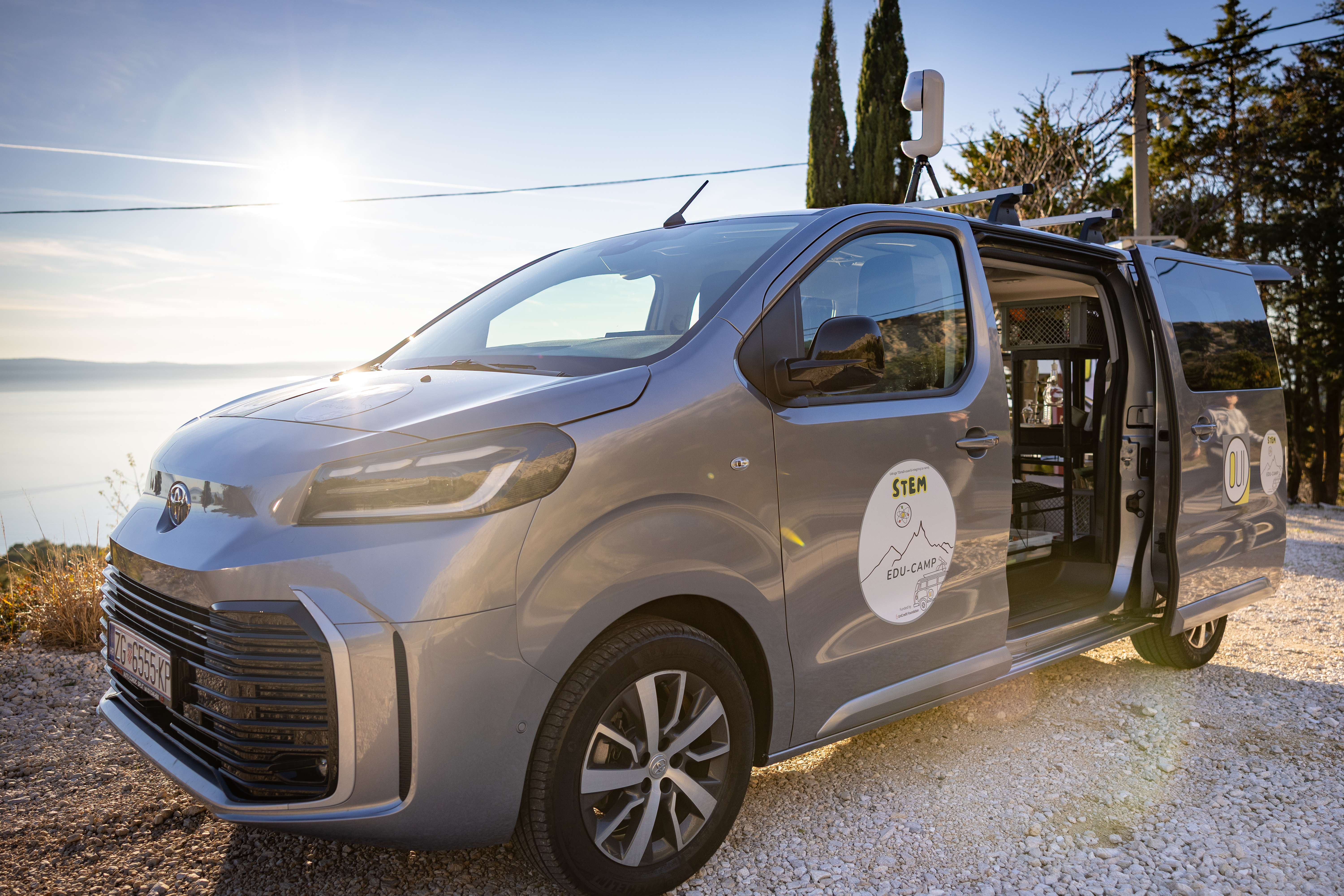
Interactive workshops, outdoor camps and hackathons provide students with hands-on STEM experiences, while professional development programmes and a dedicated learning community support teachers. Science picnics and outdoor events encourage the participation of entire communities. By providing experiment-based learning in informal settings, the initiative fosters early scientific literacy, motivation, and equitable opportunities for students who would otherwise be denied access.
Aktéri
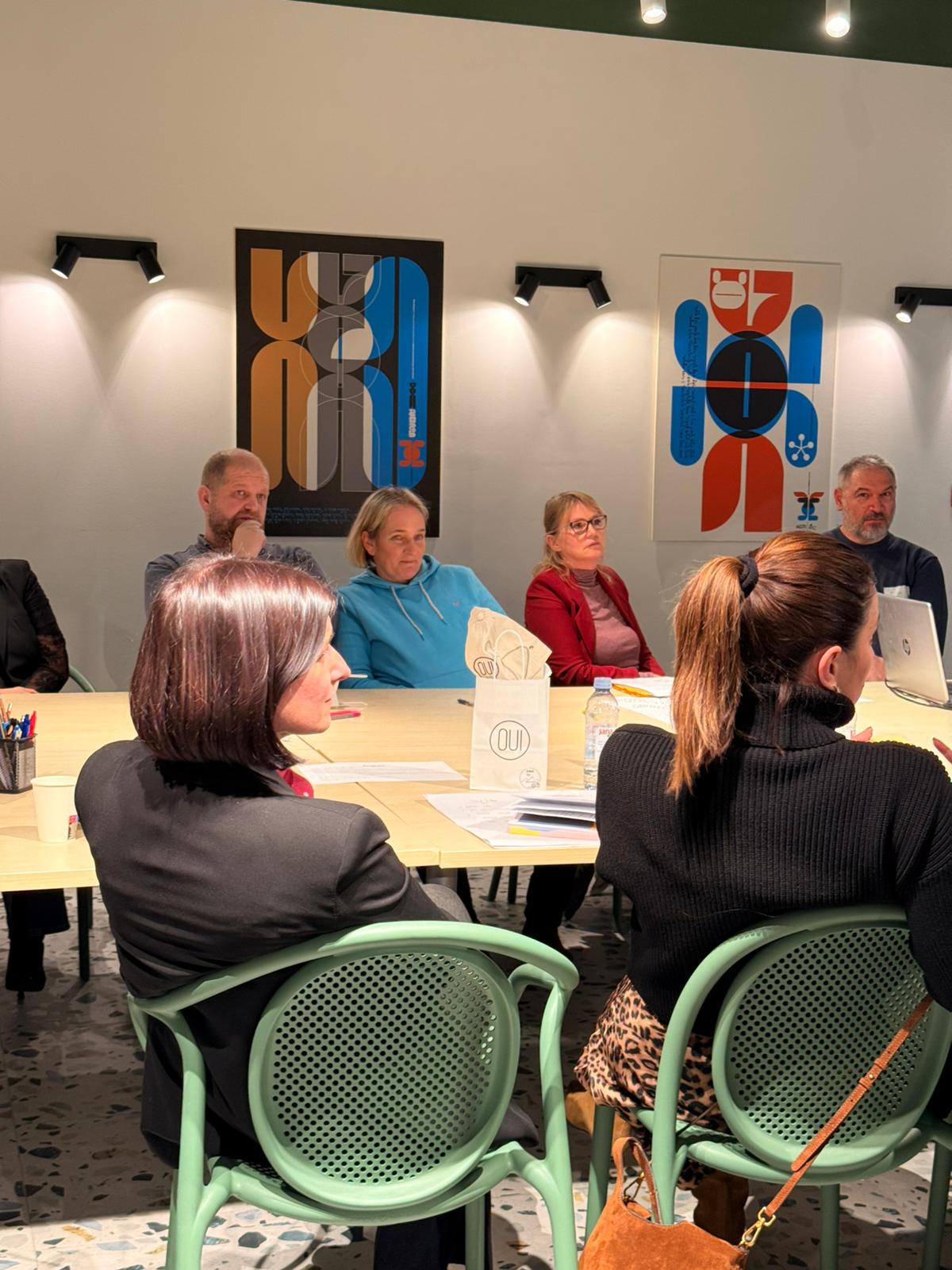
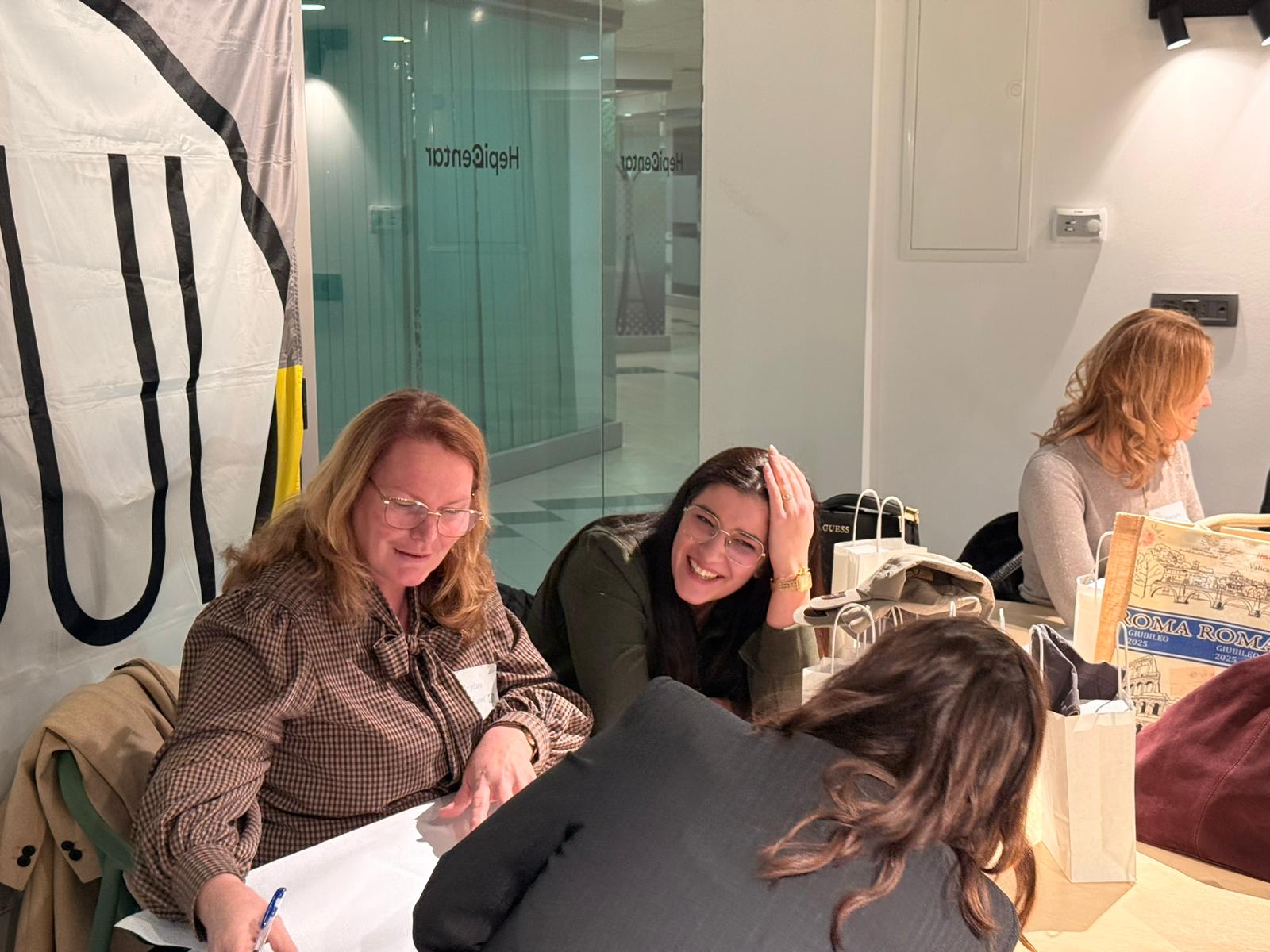
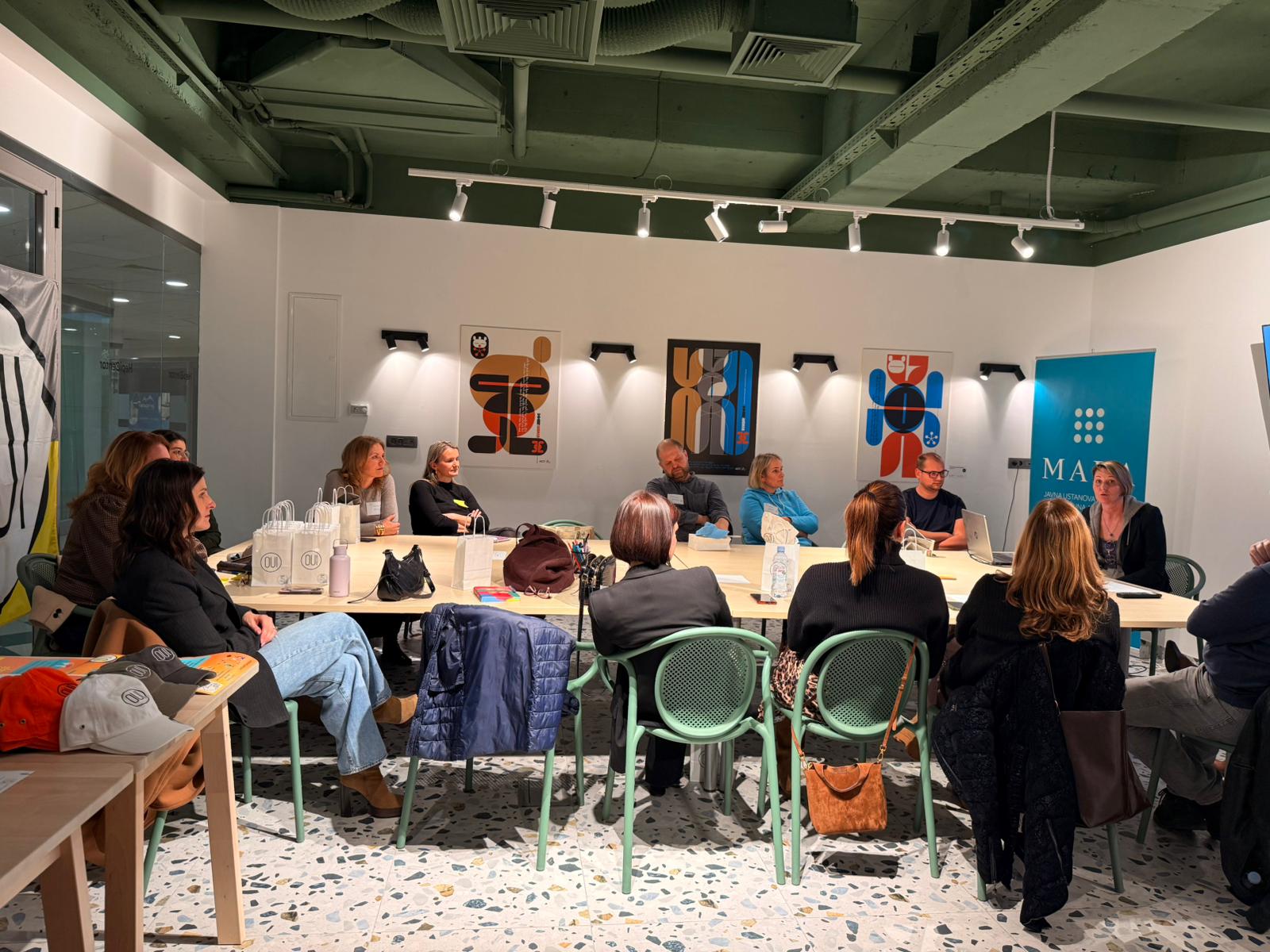
The OUI team implements the initiative alongside STEM specialists and volunteers. A coordinator oversees activities, logistics and school collaboration, while experts lead workshops and teacher training sessions. Teachers pilot new instructional materials, which are published in a school manual, and contribute to impact monitoring. Community partners organise local events, and volunteers support the preparation of these events and the workshops.
Dopad
Quantitative impact is tracked by the number of students, teachers and schools involved, as well as the frequency of workshops and events. Qualitative impact is measured using assessment questionnaires that capture shifts in STEM self-confidence, interest, and perception of talent. Problem-solving skills are evaluated through observation and pre-determined criteria, while community engagement is gauged by local stakeholder participation and feedback.
Prenos
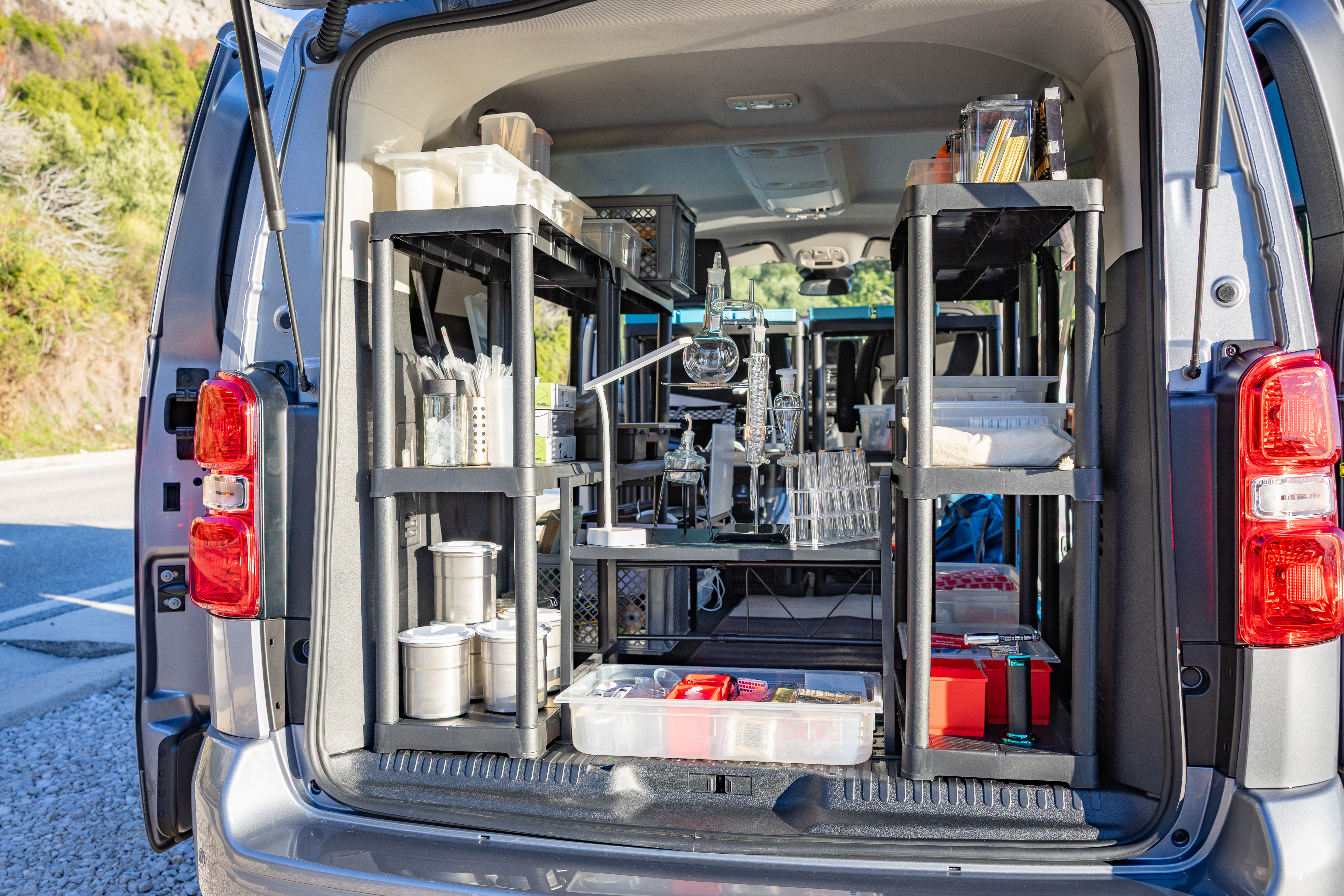
Designed with mobility in mind from the outset, the model, complete with its mobile laboratory, modular workshops and open-access materials, can be easily adapted for use in other regions and countries. It is particularly valuable in rural and underserved areas, but is equally applicable to urban settings, diverse school types and a wide range of age groups.