Several interconnected challenges drive this project: a lack of tangible national space achievements to inspire young people; limited hands-on STEM learning and career orientation; low public understanding of space technologies in everyday life, from internet connectivity to Earth observation; and a need to strengthen the national innovation ecosystem. CroCube demonstrates that even small countries can build and operate satellites.
CroCube – Educational Space Platform
Lastnik projekta: Društvo za edukaciju van okvira - EVO; Society for Out of Frame Education
Odgovorna oseba: Daniela Jovic

2026
Nominiranci
HR
Civilna družba / Socialno gospodarstvo
Izobraževanje
Delo
Izziv
Ideja
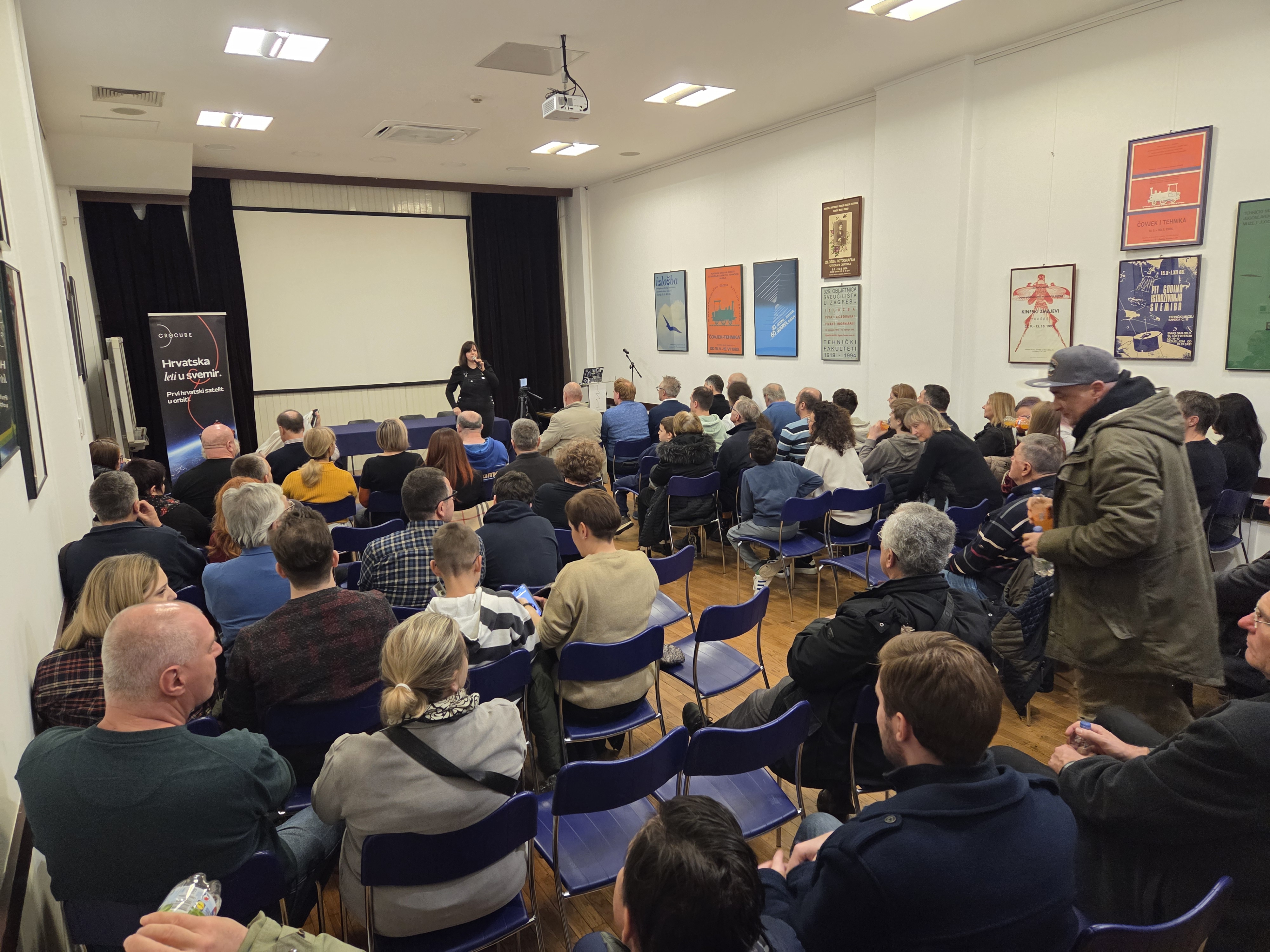
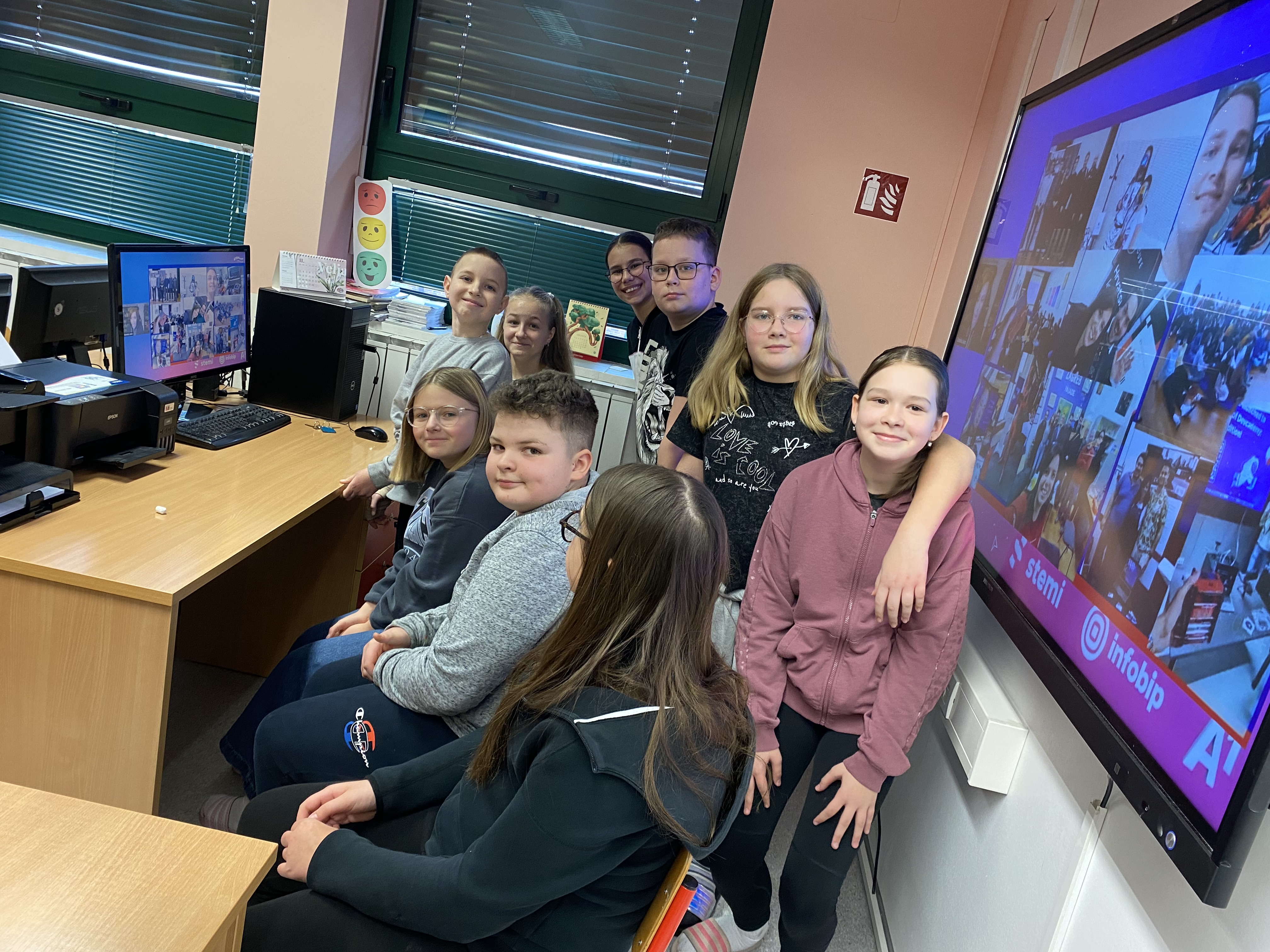
CroCube uses an on-orbit mission as an educational platform, making space-related subjects accessible to people of all ages through public events, school partnerships, museum programmes and online content. Participants can witness space in action in real time, connecting signals, data and imagery to science, communications and teamwork. The project also promotes volunteering, mentoring and industry collaboration to foster a lasting community of interest.
Deležniki pri projektu
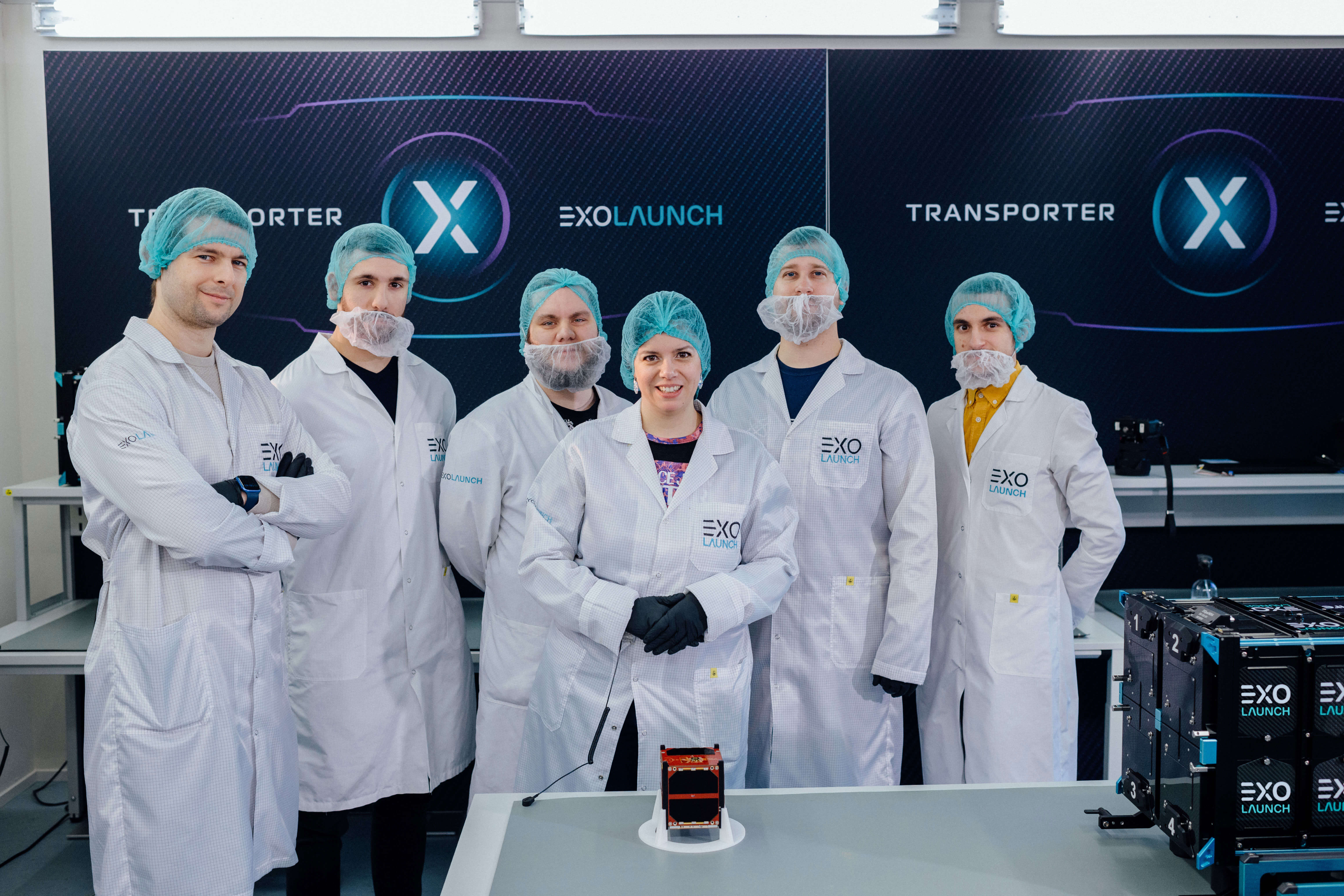
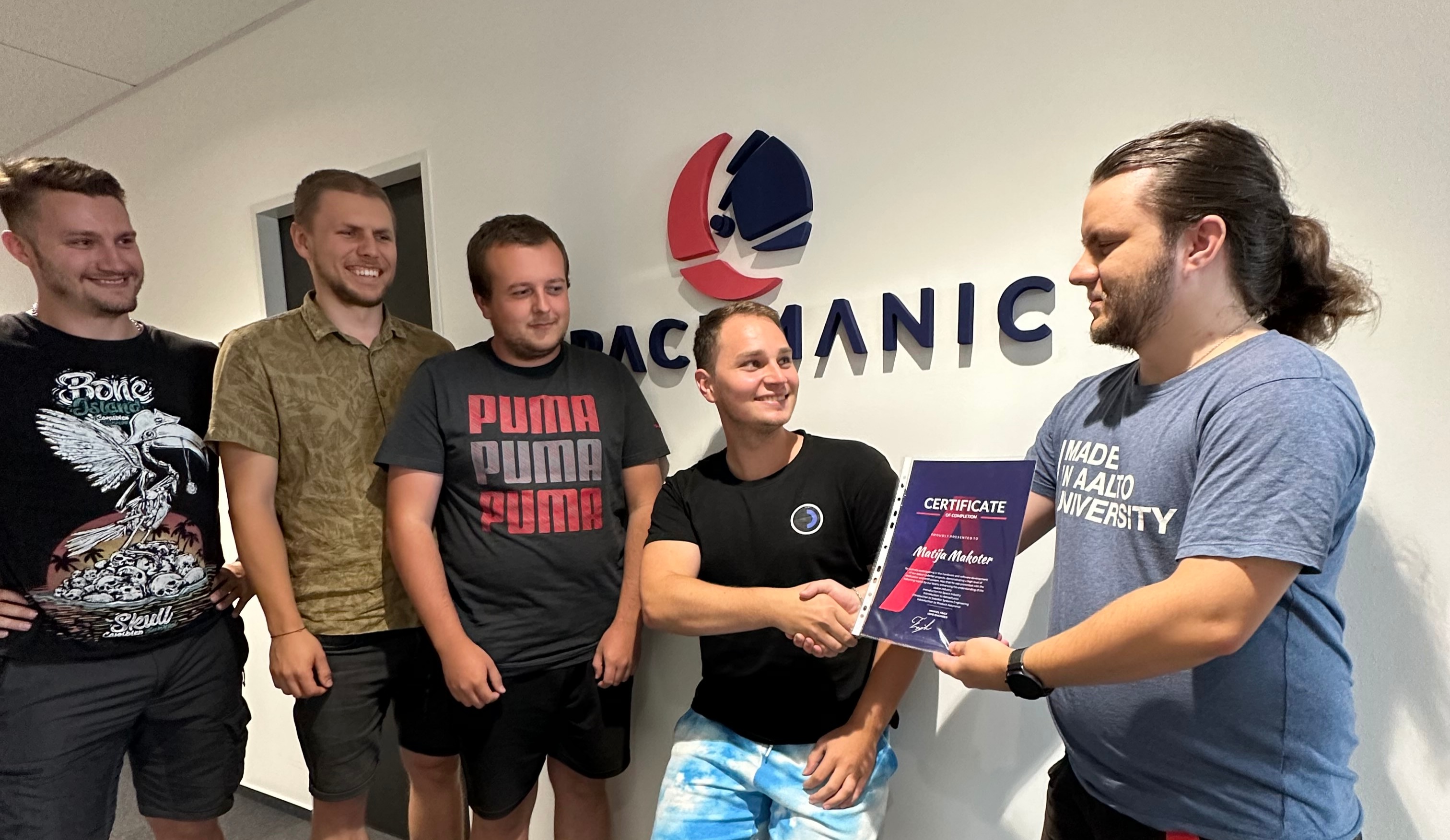
A core team works alongside technical partners and a network of contributors, including engineers, educators, graphic designers, social media professionals, and legal experts. Some of the team gained hands-on experience through training abroad, sharing skills such as electronics assembly with the wider community. Mission outputs are accessible to all through the amateur radio network and open satellite data, extending beyond national borders.
Vpliv
The impact is reflected in increased interest in STEM subjects, improved space literacy, and the fact that it sets a national example that motivates young people. This is measured through educational sessions and participants, partner institutions, social media reach, media coverage, and direct audience input, such as event attendance and participation in open calls. Teacher and participant feedback, as well as repeat engagement, serve as additional qualitative indicators.
Prenos
While a satellite is not required everywhere, the methodology is. Transferable elements include workshop formats, open calls, interactive campaigns, cooperation with museums and schools, and a communication approach that links real data to accessible explanations. Orbital reference points can be drawn from existing missions or open sources, and the model can be adapted for different regions by working with local partners on community-relevant topics.